Why SPC Flooring is the Best Solution for Kitchen Environments
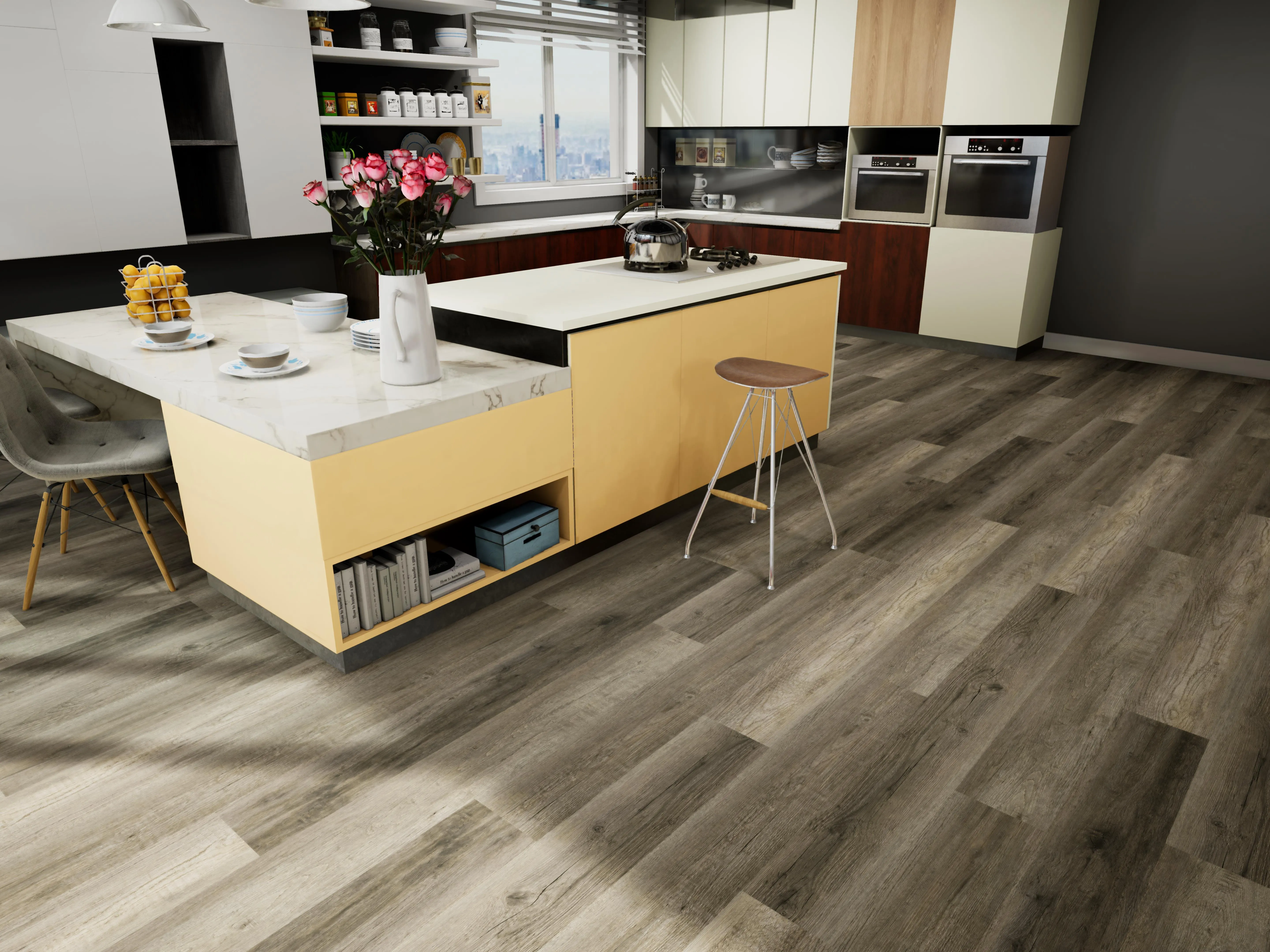
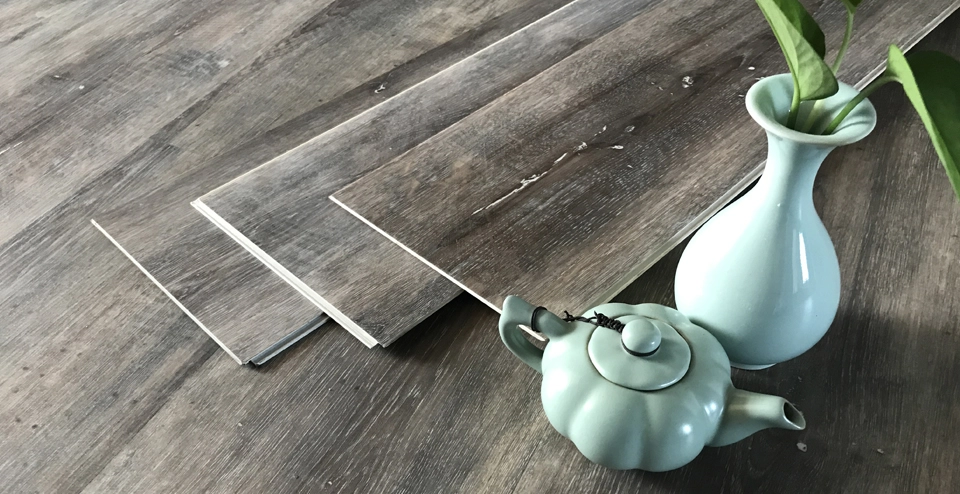
The kitchen is the heart of the home, but it’s also the most demanding environment for flooring. SPC (Stone Plastic Composite) flooring has emerged as the premier choice for modern kitchen renovations, outperforming traditional materials like ceramic tile or laminate in several key areas.
1. 100% Waterproof & Moisture Resistance
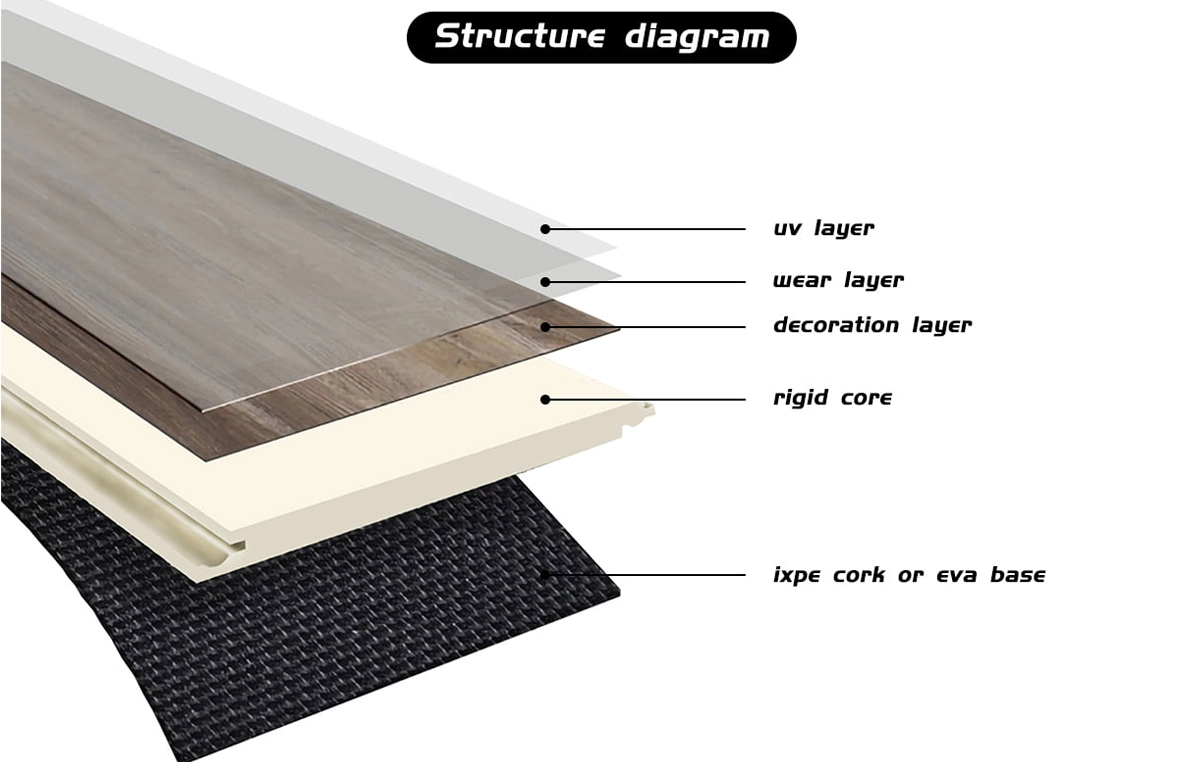
Kitchens are prone to spills and high humidity. Unlike laminate or hardwood that can swell and warp when exposed to water, UTOP SPC flooring is completely waterproof. Its rigid core technology ensures that even standing water from a leaky dishwasher won't damage the structure or cause mold growth.
2. Superior Slip Resistance (Safety First)
Safety is paramount in cooking areas where oil and water splashes are common. Our kitchen-grade SPC flooring is engineered with an advanced anti-slip wear layer (R10 rating). This textured surface provides increased friction even when wet, significantly reducing the risk of accidents for families and staff.
3. Fire-Retardant Properties (B1 Rating)
Safety in the kitchen also includes fire protection. UTOP SPC flooring is naturally flame-retardant with a B1 fire rating. In the event of an accident, it does not ignite easily and produces minimal smoke, providing an extra layer of security for residential and commercial cooking spaces.
4. Stain & Scratch Protection
From dropped knives to spilled red wine or hot oil, kitchen floors take a beating. Our UV-coated wear layer acts as a shield against scratches and persistent stains. This high-density surface prevents pigments and oils from penetrating the material, keeping your kitchen looking brand new for years.
5. Easy to Clean & Maintain
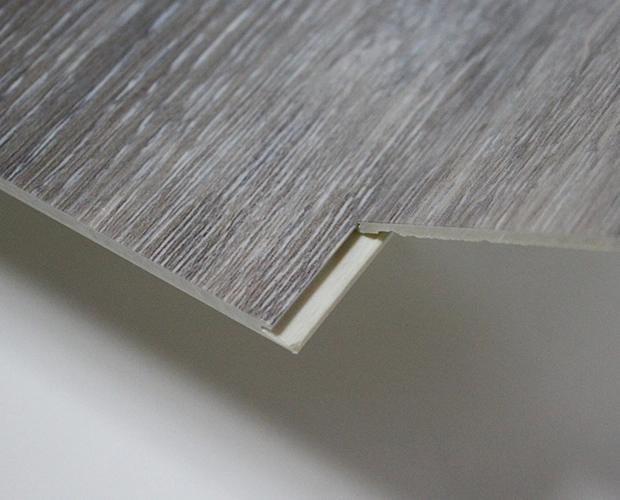
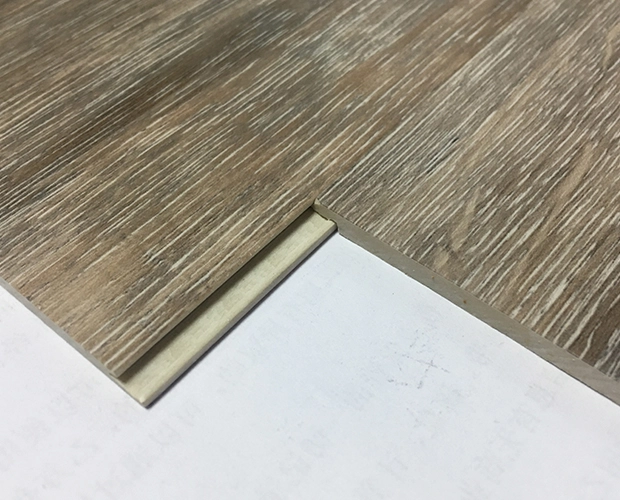
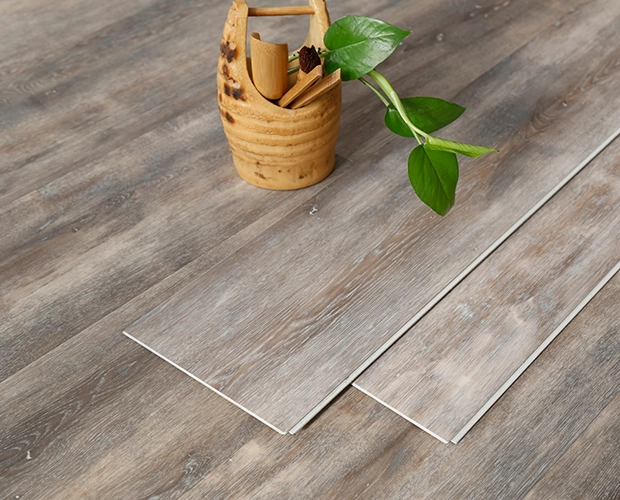
Traditional tiles have grout lines that trap grease and bacteria, making them difficult to sanitize. SPC flooring features a seamless click-lock installation, creating a smooth surface that can be easily cleaned with a simple mop and mild detergent. This ensures a hygienic environment for food preparation.
6. Thermal Stability & Comfort
Unlike ceramic tiles, which can feel icy cold in winter, SPC flooring maintains a more comfortable temperature. It is also compatible with underfloor heating systems, providing a cozy and ergonomic surface for those who spend long hours standing and cooking.
SPC vs. Tile vs. Hardwood: Which is Best for Your Kitchen?
Choosing the right kitchen flooring involves balancing aesthetics, safety, and long-term maintenance. While ceramic tiles and hardwood are traditional choices, UTOP SPC Flooring provides a modern, high-performance alternative that addresses the common "pain points" of kitchen environments.
| Comparison Feature | UTOP SPC Flooring | Ceramic Tile | Solid Hardwood |
| Water Resistance | 100% Waterproof. Ideal for spills and plumbing leaks. | 100% Waterproof. | Low. Prone to warping and mold when wet. |
| Slip Resistance | High. Advanced R10 anti-slip texture even when wet. | Low. Extremely slippery and dangerous when wet. | Moderate. |
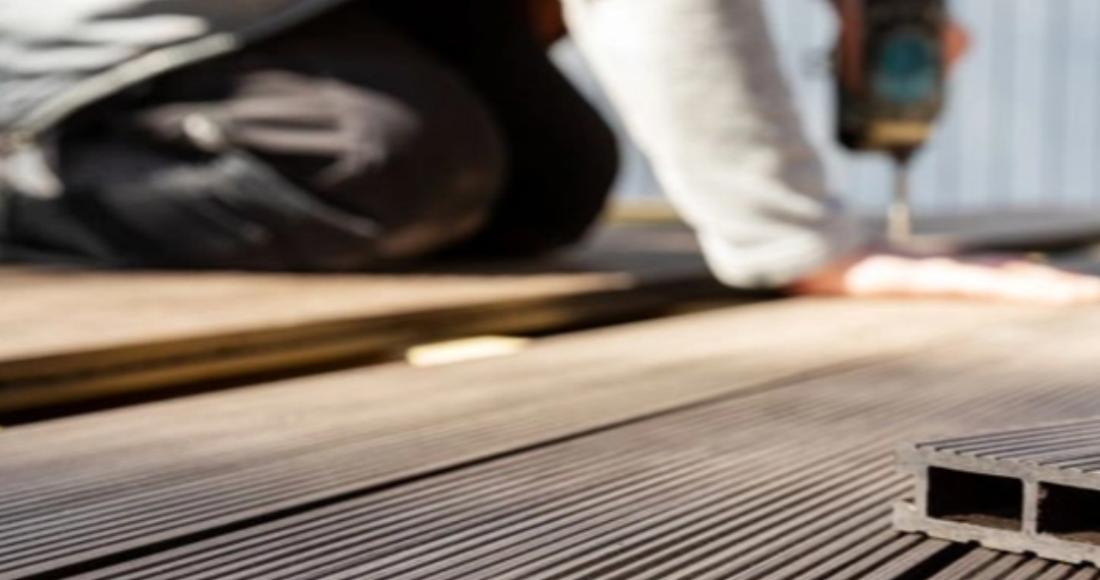
| Installation Speed | Fast. Uniclic/I4F system; no glue or mortar needed. | Slow. Requires professional mortar, grout, and drying time. | Moderate. Requires nailing or gluing. |
| Comfort & Warmth | Warm & Soft. Ergonomic for long hours of cooking. | Cold & Hard. Can cause leg fatigue. | Warm but very delicate surface. |
| Maintenance | Low. Simple sweeping and mopping. No grout lines. | High. Grout lines trap grease and are hard to bleach. | High. Needs periodic sanding and refinishing. |
| Impact Resistance | High. Won't crack if a heavy pot is dropped. | Low. Prone to cracking and chipping. | Moderate. Prone to dents and scratches. |
The Verdict for B2B Buyers:
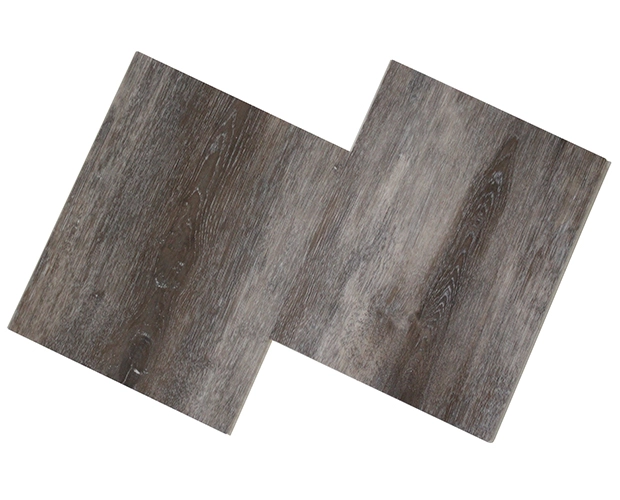
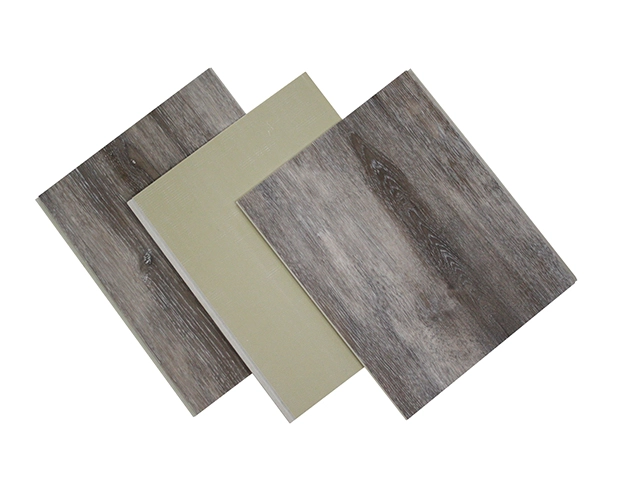
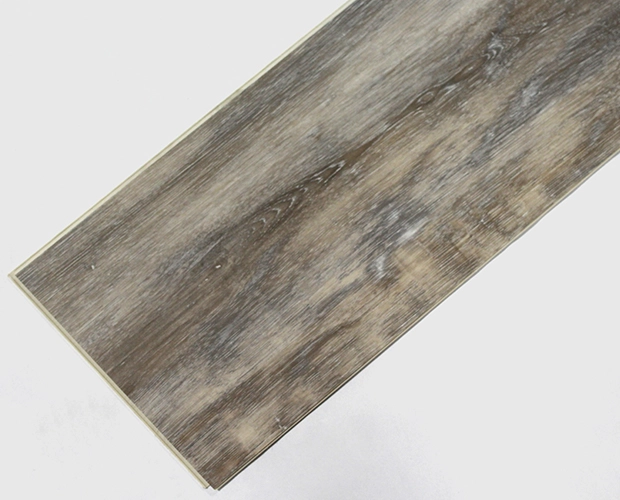
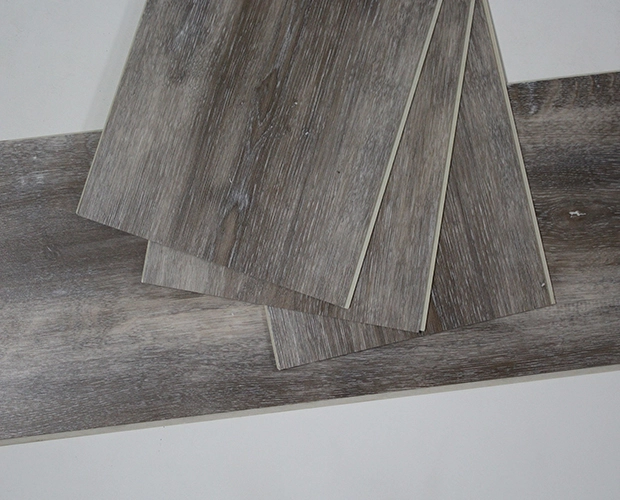
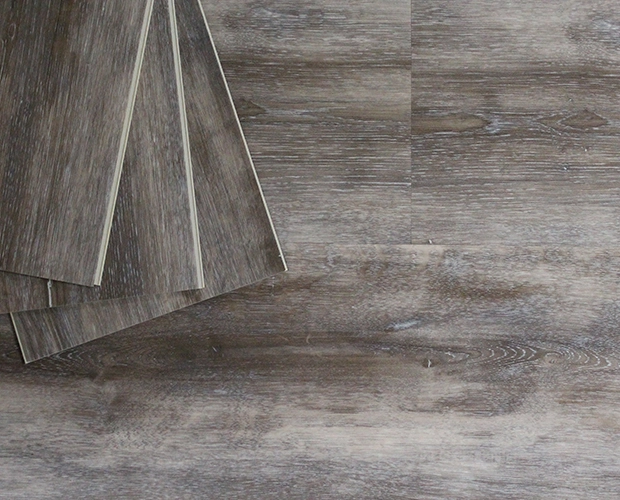
For developers and contractors, SPC flooring significantly reduces labor costs and project timelines while providing a safer, more durable surface for end-users. It offers the luxurious look of wood or stone without the fragile nature of tile or the moisture sensitivity of hardwood.
 EN
EN