English
In today's home and commercial decoration, environmental protection and health are the primary criteria for users when choosing materials. SPC stone plastic flooring is popular due to its advantages of being waterproof, wear-resistant, and highly stable. However, many customers are still concerned about whether SPC flooring is truly environmentally friendly and can meet the health needs of homes and shops. We will comprehensively analyze the environmental performance of SPC flooring from its entire life cycle, including raw materials, production, use, and recycling, to help you choose a safe and reliable environmentally friendly flooring.
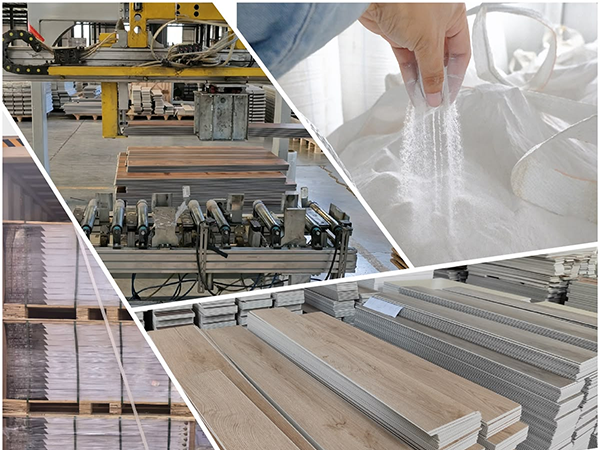
SPC click-lock flooring is a new type of composite flooring material, mainly made of high-purity calcium carbonate stone powder, virgin PVC resin, and environmentally friendly stabilizers. The surface features a multi-layer composite structure, including a UV-resistant wear layer, a simulated decorative layer, and a high-density stone-plastic rigid core layer. IXPE or EVA sound-absorbing pads can be added as needed, making it suitable for most home and commercial applications. Compared to traditional PVC flooring, SPC flooring uses a large amount of natural stone powder to replace plastic components, significantly reducing the plastic content. This not only results in higher hardness and a more stable structure, making it less prone to deformation and aging, but also achieves lower carbon footprint and safer material properties from the raw material stage.
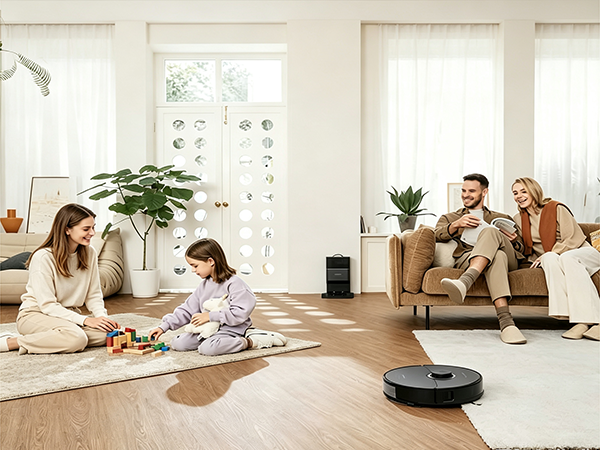
SPC flooring uses a physical locking system, eliminating the need for glue throughout the installation process and preventing the release of harmful substances such as formaldehyde and benzene from the source. High-quality products have passed international authoritative environmental certifications such as FloorScore and GREENGUARD Gold, with extremely low VOC emissions, making them safe and non-irritating, suitable for high environmental standards in environments such as mother-and-baby spaces, schools, and hospitals.
The flooring is waterproof, moisture-proof, scratch-resistant, and mildew-resistant. It is not easily deformed, warped, or cracked, and its normal service life can reach 15-25 years. It can be laid in kitchens, bathrooms, basements, shops, and other damp, high-traffic areas, eliminating the need for frequent replacements and effectively reducing construction waste and resource consumption.
Utilizing automated intelligent production lines, raw material utilization is high and production energy consumption is low. Equipped with a scrap, dust, and water recycling system, production waste can be recycled and reused, significantly reducing carbon emissions and material losses, achieving green production.
SPC substrate is a thermoplastic material, and production waste, scraps, and waste flooring can all be recycled, reshaped, and reprocessed, without generating a large amount of non-biodegradable waste, which aligns with the green development concept of low-carbon and circular economy.
Compared to ceramic tiles and stone, SPC flooring is lighter, resulting in lower energy consumption and carbon emissions during transportation. The click-lock system eliminates the need for glue and cement, significantly reducing on-site dust and chemical pollution, allowing for quick move-in and business opening after installation.
Reputable brands use brand new virgin PVC and high-purity stone powder in their production, without adding heavy metals or harmful phthalate plasticizers. It complies with EU REACH and RoHS environmental standards, ensuring safe and stable materials with no health risks from long-term indoor use.
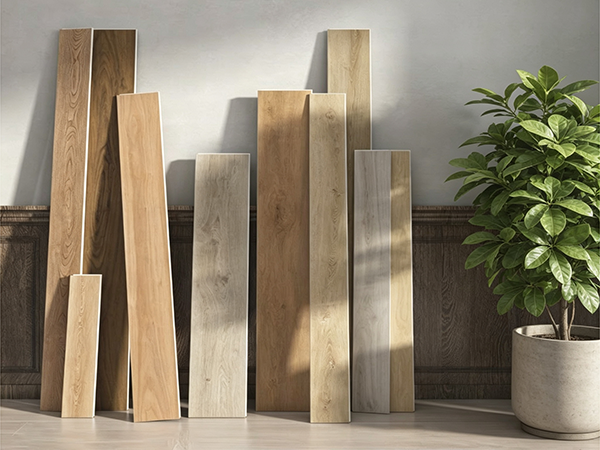
The quality of SPC flooring on the market varies greatly. To select environmentally compliant products, refer to the following core standards:
1. Prioritize products with international low-VOC environmental certifications such as FloorScore and GREENGUARD Gold;
2. Verify authoritative testing reports to confirm that the product is formaldehyde-free, free of heavy metals, and free of harmful volatile organic compounds;
3. Choose products made from virgin materials, avoiding inferior recycled material flooring;
4. Prefer reputable brands with ISO quality and environmental system certifications that comply with European and American environmental regulations;
5. Before purchasing, request the seller to provide a complete set of environmental and quality testing qualifications, rejecting products without proper certification.
| Flooring Category | Indoor Air Quality Performance | Waterproof Performance | Service Life | Core Environmental Shortcomings |
| SPC Flooring | Excellent (zero formaldehyde, low VOC) | Fully waterproof for all indoor spaces | 15–25 years | Balanced overall performance with no obvious environmental drawbacks |
| Laminate Flooring | Fair | Non-waterproof; prone to damp deformation | Relatively short | Heavy glue bonding, risk of residual formaldehyde emission |
| Solid Wood Flooring | Excellent (natural raw material, no pollution) | Water-sensitive; prone to cracking and deformation upon water exposure | Long service life | Depletes natural timber; high maintenance and renovation costs |
| Ceramic Tiles | Excellent (no volatile pollutants) | Fully waterproof for all indoor spaces | Extremely long | High energy consumption and carbon emissions during high-temperature firing; high breakage loss in transportation |
| Carpets | Performance varies drastically by quality grade | Non-waterproof; susceptible to mold growth | Short | Prone to dust accumulation and bacterial breeding; frequent replacement generates large volumes of waste |
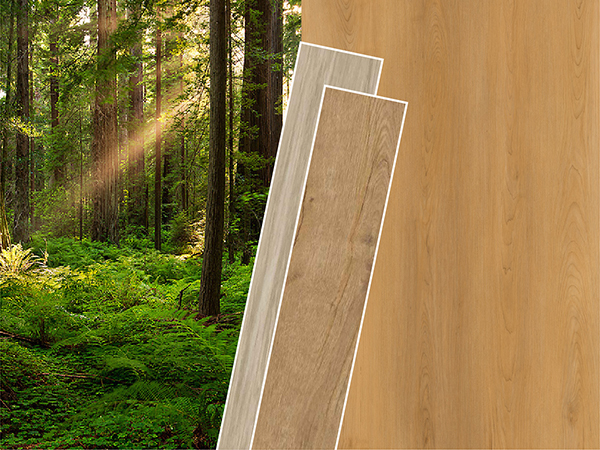
Leveraging the green production and recyclable characteristics of the entire supply chain, high-quality SPC flooring overcomes the environmental shortcomings of traditional building materials, achieving zero harmful emissions, low energy consumption, high adaptability, and long lifespan. Whether for residential or commercial decoration, it provides a healthy, low-carbon, and stable flooring solution. Adhering to the selection of genuine and compliant materials and verifying authoritative environmental certifications are key to creating healthy and green spaces.
 EN
EN