English
In the global building materials wholesale sector, PVC flooring has become a popular flooring material due to its excellent durability, affordability, and wide range of design options. For wholesalers, selecting the right PVC flooring for different application scenarios is key to ensuring product suitability and customer satisfaction. The following outlines several core aspects that wholesalers should consider when selecting products.
The thickness of flooring is directly related to its lifespan. Common total thicknesses on the market are 2.0mm, 2.5mm, and 3.0mm, while the wear layer thickness ranges from 0.12mm to 0.7mm. Generally, the greater the thickness, the stronger the wear resistance, making it
more suitable for high-traffic areas. Wholesalers need to consider actual usage scenarios and strike a reasonable balance between durability and procurement costs.
High-quality PVC flooring is typically composed of a base layer, a printed layer, and a wear-resistant layer. The quality of each layer collectively determines the overall performance. Furthermore, the manufacturing process is equally important. For example, flooring produced using hot-pressing technology, while more expensive, has a more robust structure, better quality consistency, and is more conducive to long-term use. Wholesalers should include materials and craftsmanship in their key evaluation criteria.
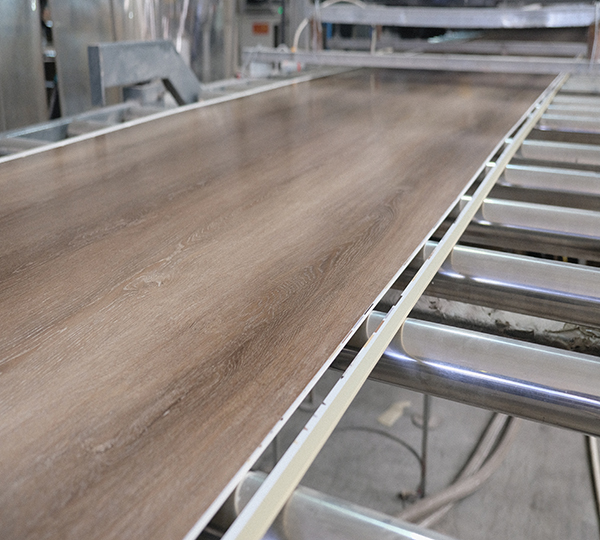
PVC flooring offers various installation methods, each with its own characteristics. Roll flooring generally requires professional installation,involving adhesive and welding techniques; tiles, on the other hand, can be installed using adhesive or click-lock systems,making installation simpler and faster. Wholesalers should recommend suitable installation solutions based on the construction conditions and post-installation maintenance needs of the target project to ensure efficient installation and long-lasting results.
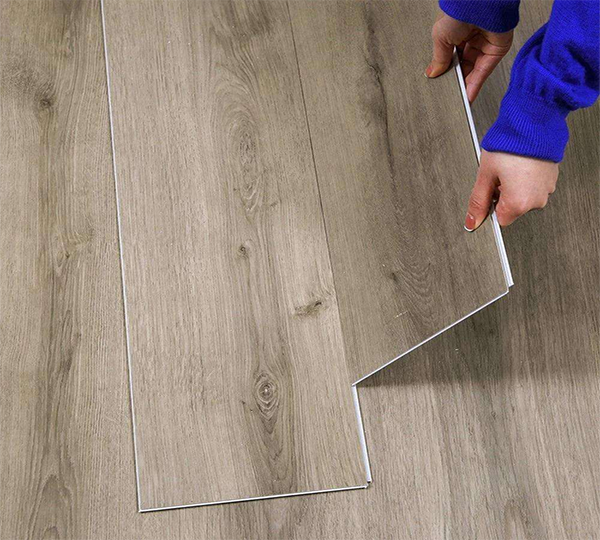
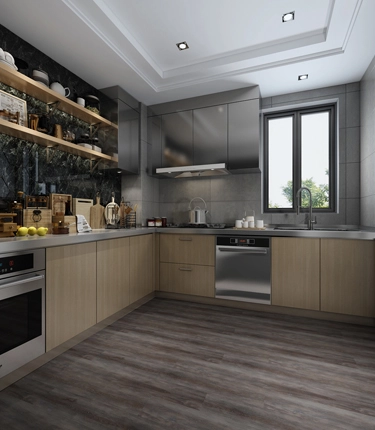
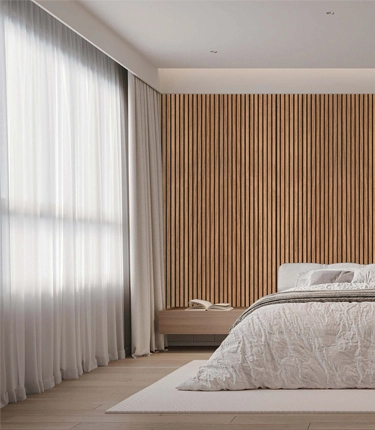
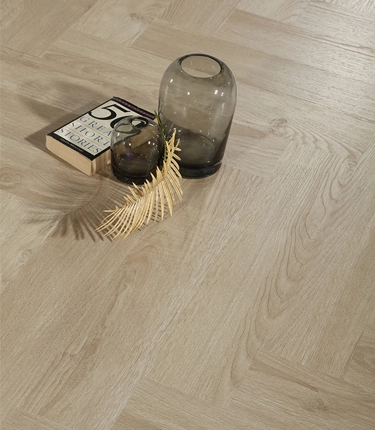
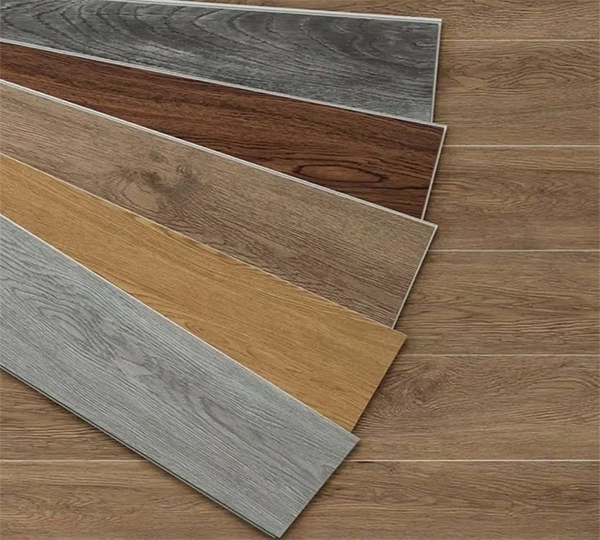
Color and pattern are key competitive advantages for PVC flooring. Many manufacturers now support customized designs, allowing wholesalers to tailor color and texture schemes to the end-use environment—such as schools, hospitals, or commercial spaces. For large projects, professional design support is recommended to ensure the flooring harmonizes with the overall environment.
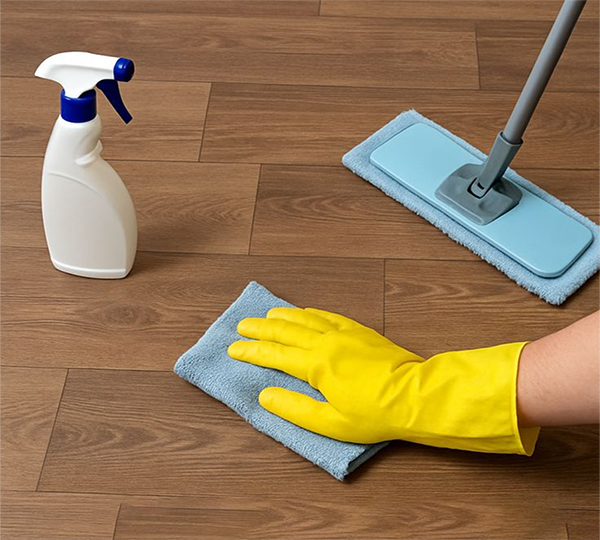
PVC flooring is easy to clean daily, and localized damage is readily repairable. Self-adhesive tiles, in particular, allow for quick replacementof individual tiles, avoiding large-area renovations and helping to save on maintenance expenses. This feature also makes it highly advantageous in locations requiring frequent maintenance.
Different locations have different performance requirements for flooring:
Educational Institutions: Thickened flooring is recommended, balancing wear resistance, flame retardancy, and sound insulation. Soft, warm colors are preferable.
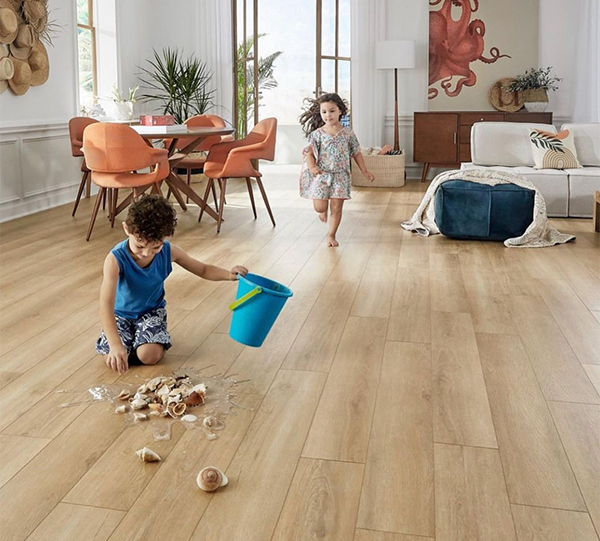
Medical Institutions: Anti-slip, antibacterial, and safety performance are key considerations.Commercial Venues: Thickened wear-resistant layers are suitable for improved comfort and durability.Sports Venues: Models with a foam backing are recommended for enhanced cushioning and protection.Industrial Environments: Requirements include heavy load-bearing capacity and corrosion resistance; thickened models are typically chosen.Home Use: Thinner flooring is suitable for low-traffic areas, while bathrooms should prioritize anti-slip performance.
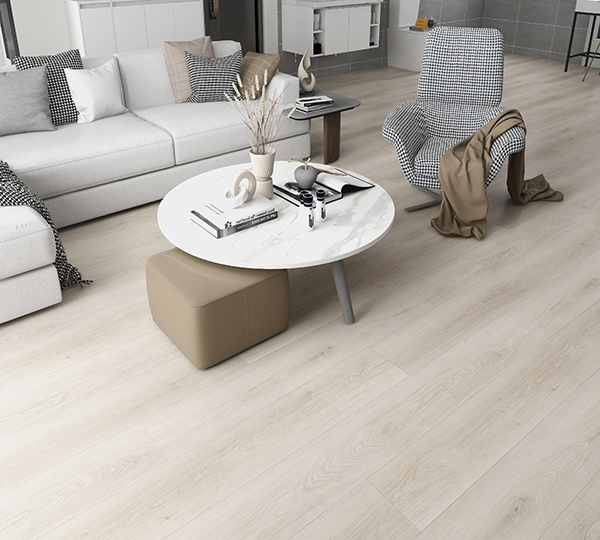
To select the right PVC flooring for different applications, wholesalers need to thoroughly understand end-user needs and conduct a comprehensive evaluation from multiple aspects, including thickness, manufacturing process, installation methods, and design and maintenance. Partnering with reputable manufacturers allows for more effective fulfillment of market demands while providing customers with lasting value. UTOP Flooring Manufacturer is committed to helping wholesalers gain a sustainable competitive edge and looks forward to cooperating with you!
 EN
EN