English
A successful dryback lvt installation depends on two critical factors: proper subfloor preparation and the correct adhesive system. In commercial projects, the flooring is exposed to continuous foot traffic, rolling loads, and changing environmental conditions, making installation quality essential for long-term performance.
Before installing dry back lvt, contractors should ensure the substrate is smooth, dry, clean, and structurally stable. The adhesive must also be selected according to the subfloor type, moisture conditions, and project requirements. Proper preparation reduces installation risks such as tile movement, edge lifting, adhesive failure, and surface imperfections.
As a professional supplier of lvt dry back flooring, we understand that installation performance is not determined by the flooring material alone. A complete flooring system—including substrate preparation, adhesive selection, and installation control—plays a key role in achieving durability and customer satisfaction.
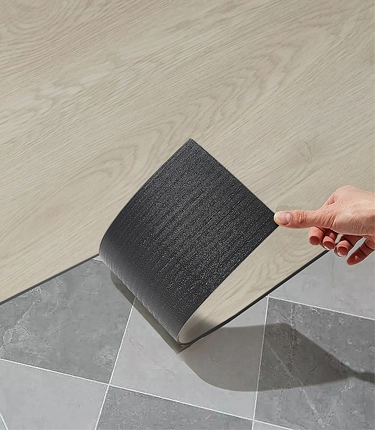
Subfloor preparation is one of the most important steps in any dry back lvt installation because the flooring is fully bonded to the substrate. Unlike floating flooring systems, dryback flooring relies on direct adhesive contact, meaning any surface defects can affect the final result.
A properly prepared subfloor helps ensure:
Strong adhesive bonding: A clean and stable surface allows the adhesive to create a reliable connection between the LVT and substrate.
Better appearance: Surface irregularities, cracks, and uneven areas may transfer through the flooring and become visible after installation.
Long-term durability: Proper preparation reduces risks such as movement, lifting edges, open joints, and premature wear.
Before installation, contractors should inspect the substrate for:
The subfloor must meet required flatness standards. Uneven areas can create pressure points under the flooring, causing visual defects or reducing adhesive contact.
Dust, oil, wax, paint, curing compounds, and old adhesive residues can prevent proper bonding. The surface should be thoroughly cleaned before applying adhesive.
Cracks, loose concrete, damaged areas, or unstable surfaces must be repaired before installing dryback flooring. Installing over a weak substrate may lead to flooring failure.
Moisture testing is essential, especially for concrete substrates. Excess moisture can interfere with adhesive curing and negatively impact the performance of the flooring system.
Selecting the correct adhesive is essential for achieving reliable performance with dry back lvt. Different commercial environments and substrate conditions may require different adhesive technologies.
Contractors should evaluate the following factors before choosing an adhesive:
The adhesive must be suitable for the specific substrate, including concrete, plywood, or properly prepared existing flooring. Compatibility between adhesive and substrate directly affects bonding strength.
Commercial applications such as retail stores, offices, hotels, schools, and healthcare facilities often require adhesives designed for high traffic and long-term stability.
Concrete slabs should be tested before installation. If moisture levels exceed adhesive requirements, additional moisture mitigation solutions may be necessary.
Different adhesives have different open times, drying characteristics, and application requirements. Installers should follow manufacturer guidelines for adhesive spread rate, trowel selection, and installation timing.
Using the correct adhesive system helps maximize the performance of lvt dry back flooring and reduces maintenance issues after project completion.
Environmental conditions have a direct impact on adhesive performance and installation quality. Commercial projects often involve large installation areas, so site conditions must be carefully controlled.
Extreme temperatures can affect adhesive bonding and LVT dimensional stability. The installation area should maintain a stable temperature before, during, and after installation.
High humidity can slow adhesive drying and extend installation time. Low humidity conditions may also affect adhesive behavior, depending on the product specifications.
Concrete moisture is one of the most common causes of flooring problems. Before installing dryback lvt, contractors should conduct appropriate moisture tests and confirm that the results meet adhesive requirements.
LVT should be stored in the installation environment before installation to allow the material to adjust to site conditions. Proper acclimation helps minimize expansion, contraction, and dimensional issues.
For commercial projects, controlling these factors helps ensure consistent installation results and improves the service life of the flooring system.
Many LVT installation problems are caused by avoidable preparation or installation mistakes. Common issues include:
Skipping surface repairs or installing over uneven substrates can cause visible imperfections and weak bonding.
Failure to test concrete moisture levels may result in adhesive breakdown, bubbling, or flooring movement.
Using the wrong adhesive amount, incorrect trowel size, or improper drying time can reduce bond performance.
Installing before completing other construction activities may expose the flooring to dust, moisture, heavy equipment, or damage.
Every dry back lvt product and adhesive system has specific installation requirements. Following technical recommendations helps achieve the expected performance.
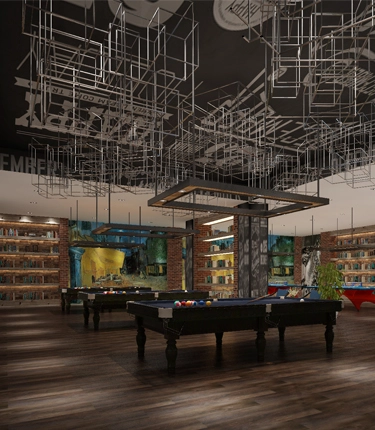
Yes. Dry back lvt is widely used in commercial spaces because it offers excellent durability, design flexibility, and stability under heavy traffic conditions.
Yes, but the concrete must be properly prepared, flat, clean, and tested for moisture before installation.
Yes. Unlike click or loose lay systems, dry back lvt flooring requires adhesive installation to create a secure bond with the substrate.
With proper installation and maintenance, high-quality dryback flooring can provide many years of reliable performance in commercial environments.
Common causes include poor subfloor preparation, excessive moisture, incorrect adhesive selection, or improper installation procedures.
For commercial flooring projects, successful dry back lvt installation requires more than selecting a high-quality product. Proper subfloor preparation, suitable adhesive selection, and controlled installation conditions are essential to achieving a durable and visually consistent floor.
By following professional installation practices, contractors can reduce flooring failures, improve project efficiency, and ensure that lvt dry back flooring delivers reliable performance in demanding commercial environments.
 EN
EN