English
As a universally recognized "all-rounder" in the home decoration industry, SPC stone-plastic composite flooring has long shed the cheap image of old-fashioned plastic. It highly replicates wood grain, stone grain, and cement textures, and is waterproof, moisture-proof, wear-resistant, and impact-resistant, making it suitable for rental properties, owner-occupied homes, and rooms with underfloor heating. More importantly, the flooring pattern sets the tone for the entire house's style, directly affecting the spatial scale, atmosphere, and even the mood of the occupants. Stop blindly following trendy colors and stop agonizing over "light or dark"—this practical SPC pattern matching guide covers small apartment expansion, zone adaptation, soft furnishing coordination, and pitfall avoidance points. It's practical and easy to follow, allowing you to confidently choose colors without making mistakes.
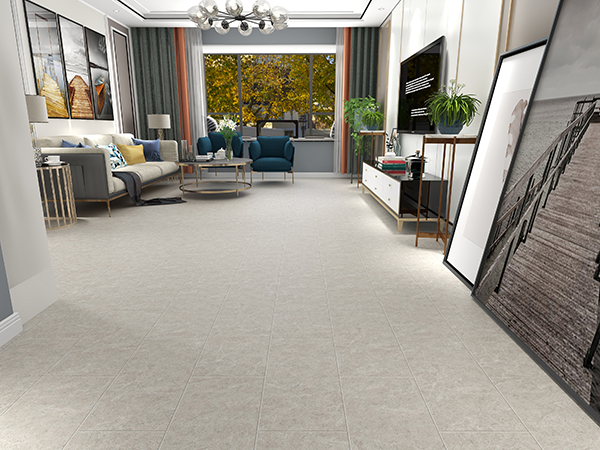
Determine the function of each space: Kitchens, bathrooms, and balconies should prioritize waterproofing and stain resistance; bedrooms emphasize warmth and comfort;
living rooms should aim for grandeur and quality; and studies should lean towards calmness and focus. Different functions correspond to different color schemes and textures.
Define your home decor style: Scandinavian and modern minimalist styles suit clean, simple color palettes; understated luxury and retro styles prefer calm and textured textures;
industrial styles can opt for personalized, cool stone patterns or dark wood grains. The style and flooring must coordinate to create a harmonious and unified overall look.
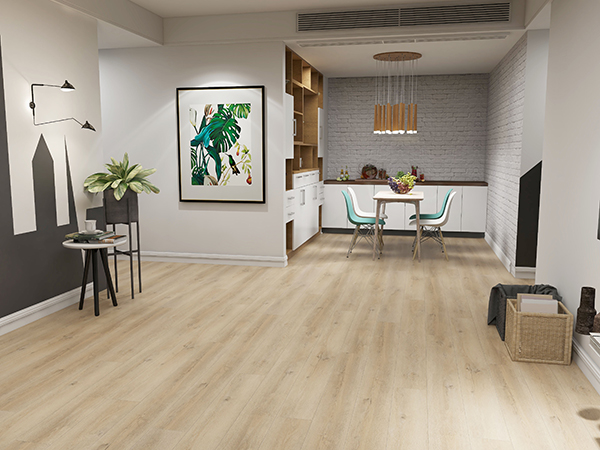
Color is the core of flooring coordination. You don't need to study color theory; just remember these four universal rules, and they apply to every space in your home, effectively addressing poor lighting, small apartments, and cluttered styles.
Dark colors should be avoided in low-rise buildings, dark living rooms, and narrow corridors. Light-colored flooring such as white oak, light maple, and off-white wood has strong reflectivity, maximizing light refraction and making the space appear brighter and more open—a lifesaver for small apartments.
Large, well-lit living rooms are suitable for calming colors like dark walnut and dark oak. Neutral colors also enhance the sense of depth. Dark flooring stabilizes the atmosphere and is suitable for sophisticated settings such as minimalist luxury and modern Chinese styles, especially in studies and reception areas.
Gray wood grain, natural wood color, and soft light brown are universally flattering, suitable for all styles and furniture. Even when changing soft furnishings, they're unlikely to cause a fashion faux pas. Combining practicality and timeless appeal, they're perfect for families looking for a hassle-free experience.
For creative spaces or industrial styles, choose dark gray cement texture, faux stone texture, patchwork, or contrasting colors. These designs are stylish, durable, and suitable for young people seeking a unique look.
The texture of SPC flooring determines the feel and atmosphere of a space—choosing the right texture amplifies the color and material; choosing the wrong texture can make even the best color look cheap. Mainstream textures are wood-look and stone-look; choose according to your needs for a safe and successful effect:
Straight grain: Simple lines and strong extension, it can stretch the eye and create a sense of openness, perfectly matching modern, Scandinavian, and minimalist styles. After installation, the space appears clean and spacious.
Knot grain: Close to the texture and warmth of natural wood, suitable for country, log, or vintage styles, giving the interior a rustic and welcoming feel.
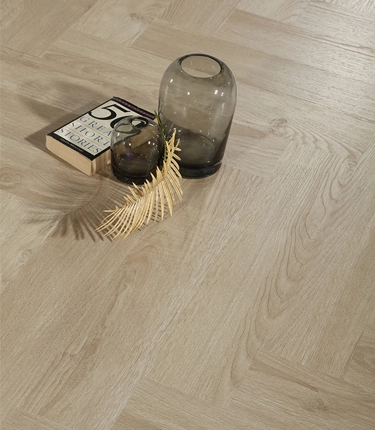
Twill/Parquet: Has a strong design sense and is suitable for key areas such as the entryway, dining room, or living room, serving as a finishing touch to enhance the overall sophistication.
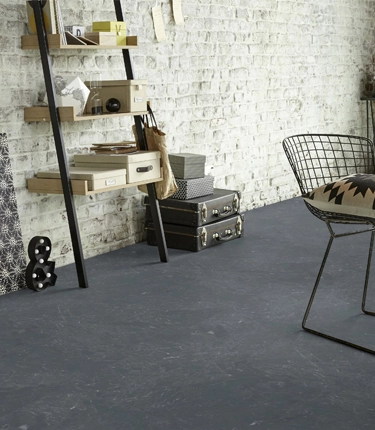
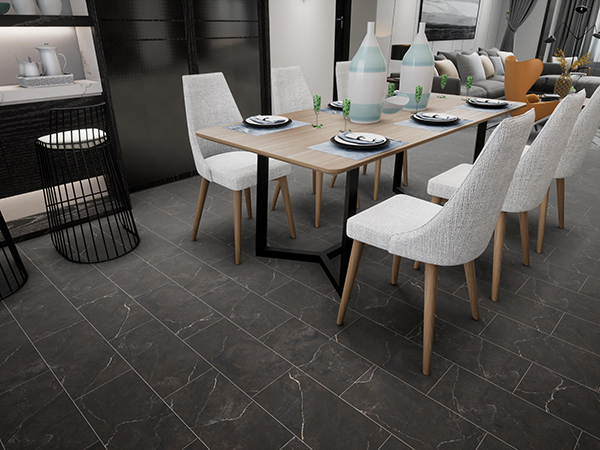
This design presents a sophisticated feel with its simple, understated cool tones. It is also waterproof and stain-resistant, making it an ideal choice for modern minimalist and industrial styles. It is also suitable for damp or easily soiled environments such as kitchens, bathrooms, and balconies, and is applicable to commercial and engineering projects.
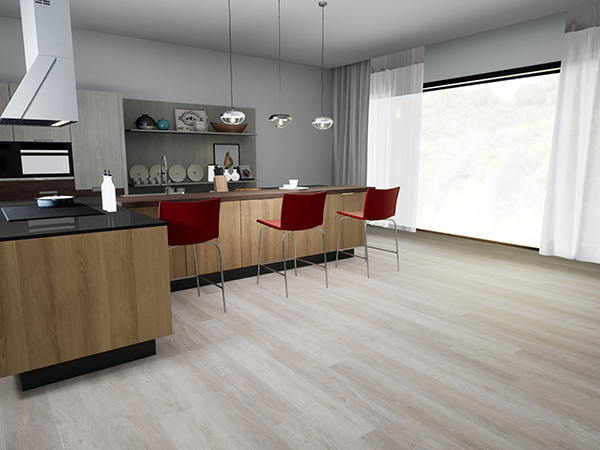
Different spaces serve different functions, so flooring patterns shouldn't be a one-size-fits-all approach. Targeted selection ensures both practicality and aesthetics. Here's a space-specific color scheme formula used by experienced decorators:
Use the main furniture as a reference color: dark sofas paired with medium-light flooring create depth, while light sofas paired with neutral or light wood tones maintain openness. Laying flooring along windows or the room's length effectively visually stretches the space.
Prioritize warm-toned wood and light beige wood grain. Unless pursuing minimalism, avoid cold, hard gray stone or dark cement patterns to prevent disrupting the relaxing ambiance.
Choose dark colors or stone/cement-look patterns for easy cleaning and stain resistance. The color scheme should coordinate with cabinets and countertops to avoid conflict.
Use dark or neutral wood grain for a stable and understated look, avoiding too many patterns and bright colors that might distract.
Choose gentle, bright light colors or fun color blocking, while prioritizing environmental friendliness and high wear resistance for easy cleaning and long-term use.
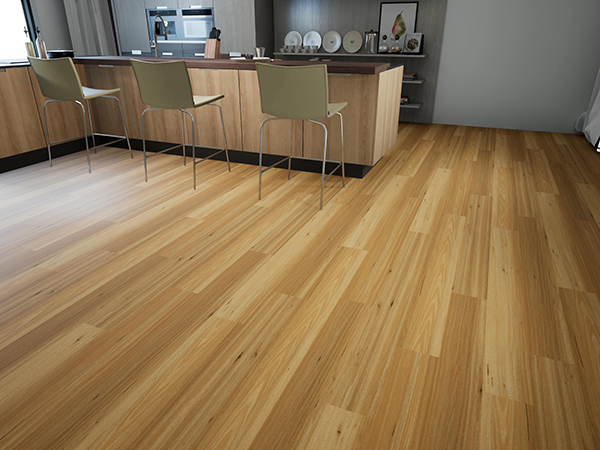
Flooring isn't isolated; it needs to coordinate with walls, furniture, and lighting to achieve a unified look throughout the house. Beginners can directly apply the 60-30-10 golden color ratio, achieving designer-like results even with zero design experience:
60% Main Color: Flooring + Walls, occupying the largest area and establishing the overall tone;
30% Secondary Color: Furniture, Curtains, Bedding, creating layers by complementing the main color;
10% Accent Color: Cushions, Decorative Paintings, Green Plants, brightening the space and breaking monotony.
Tips: Warm walls with warm wood grain, cool walls with neutral gray wood grain; using different shades of the same color family is the safest bet, while contrasting colors highlight furniture focal points—you can't go wrong with either.
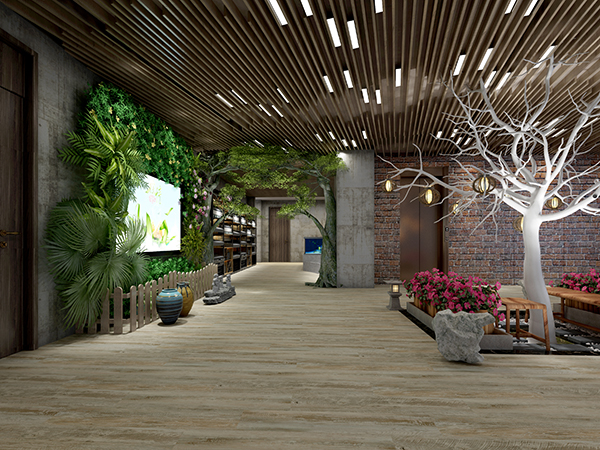
Paving should be arranged along the light source or the longest side of the room to extend the line of sight and enhance the sense of openness; long and narrow spaces are better suited to vertical paving to make them appear wider and less oppressive, while large open spaces can be paved horizontally to create a stable atmosphere; open-plan layouts can achieve functional zoning through mosaic patterns or contrasting color transition strips, making the living room and dining room clear at a glance and enhancing the overall design.
Flooring is the "foundation" of home decoration; it needs to be both practical and aesthetically pleasing. When choosing SPC flooring, don't just look at samples: consider the space's function, lighting, texture scale, and overall style. Follow this guide to determine your direction and compare samples under actual lighting conditions to minimize trial and error costs. Remember two points: first check performance (waterproof, wear-resistant, environmentally friendly), then choose the pattern. For more precise color matching and installation suggestions, contact our professional team for specific color codes and installation plans based on your apartment layout and furniture color scheme.
 EN
EN