English
Choosing the right flooring material is crucial for home renovations. Different materials can impact aesthetics, comfort, maintenance costs, and environmental friendliness. Common flooring materials include wood flooring, marble, ceramic tile, and carpet. Below is an analysis of marble, ceramic tile, and SPC flooring.

Marble, a recrystallized limestone composed primarily of calcium carbonate, is favored for its natural texture and elegant appearance. However, due to resource depletion and potential radiation concerns, its use has gradually declined and it is now mainly used for wall decoration.

Ceramic tiles are made from refractory metals and semi-metallic oxides, with raw materials including clay and quartz sand. Their surfaces can be hand-colored to create a rich texture. In particular, full-body tiles, with their wear resistance and minimalist design, are gradually replacing marble as a primary choice in modern homes, particularly in kitchens and bathrooms. However, these tiles have poor environmental performance.

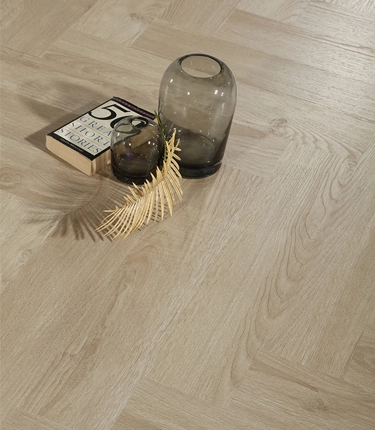
SPC flooring, made of stone plastic, is increasingly popular due to its superior safety, fire resistance, waterproofness, and environmental friendliness. Its elasticity and comfort make it a good alternative to wooden flooring for both homes and commercial spaces.
Overall, marble is renowned for its beauty, but environmental restrictions have reduced its use. Ceramic tiles are popular for their durability and versatility. SPC flooring, as an emerging environmentally friendly material, is gaining popularity. Consumers should choose the right material based on their personal needs and budget to achieve the best home decor effect.
 EN
EN