English
Staircases are a high-frequency use area in both residential and commercial spaces, and a key area prone to safety hazards. Common problems with traditional finishes such as solid wood, ceramic tiles, carpets, and laminate flooring include slipperiness, warping, stain accumulation, and bulging due to moisture. SPC flooring, with its advantages of being fully waterproof, highly slip-resistant, extremely durable, and easy to install, has become the mainstream solution for staircase renovation. Compared to ordinary flooring, which is more suitable for flat surface installation, professional SPC stair treads are optimized and upgraded for staircase structures and high-frequency foot traffic, offering greater adaptability and more concentrated advantages.
SPC stair flooring has zero water absorption and is completely waterproof and moisture-proof. It is not afraid of water stains and humid air. Even with long-term use, it will not develop problems such as warping, mold, deformation, or rot. It completely solves the common problems of traditional solid wood and reinforced wood stair floors being easily damaged by moisture in rainy and humid areas. It is suitable for damp stair floor scenarios such as entryways, balconies, and basements.
Compared to polished tiles that become slippery when wet and worn-out solid wood staircases that are prone to slipping, SPC stair flooring features a dense, wear-resistant texture that maintains stable anti-slip properties even when wet or dusty. This provides comprehensive protection for the safety of the elderly, children, and pets, meeting both residential and commercial building safety standards.
Designed for the high-frequency foot traffic and repeated impacts of stairs, high-quality SPC stair treads feature a high-density transparent wear-resistant layer, making them scratch-resistant, impact-resistant, and pressure-resistant. Compared to traditional materials such as carpets and ordinary flooring, their lifespan can reach 15-25 years, significantly improving durability.
Abandoning the drawbacks of creaking and rattling from tile and solid wood staircases, SPC stair flooring comes standard with an IXPE sound-absorbing underlayment. This effectively absorbs footstep vibrations and noise, providing excellent noise reduction and creating a tranquil and comfortable environment suitable for apartments, villas, hotels, dormitories, and other scenarios where quietness is required.
Made from natural stone powder and environmentally friendly PVC raw materials, SPC stair flooring is formaldehyde-free and free of benzene and other harmful substances. It has passed multiple international authoritative environmental certifications such as CE, FloorScore, and REACH, ensuring health and safety, and is suitable for various enclosed public spaces such as homes, kindergartens, and hospitals.
Unlike stair carpets that are difficult to clean or solid wood staircases that require regular waxing and maintenance, SPC stair flooring has a dense, stain-resistant surface. Daily cleaning only requires sweeping and mopping with water, easily removing all kinds of stains. No complicated maintenance is needed, making it worry-free and effortless.
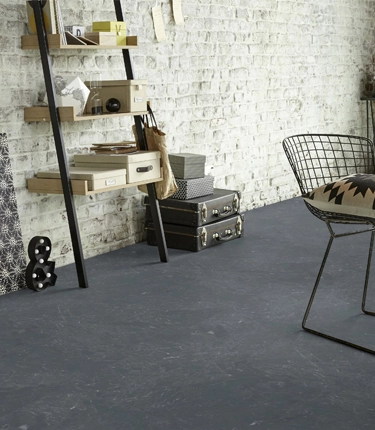
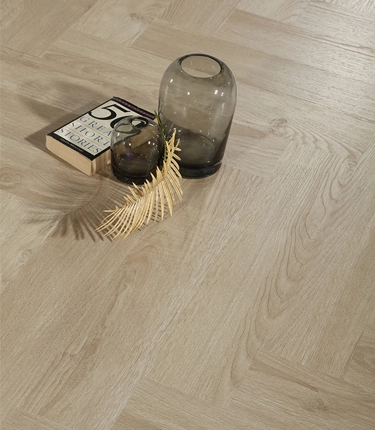
SPC stair flooring allows for seamless, unified installation throughout the house. It supports matching wood grain, stone grain, and solid color panels with the interior flooring, solving the problems of clashes and disjointed styles between staircases and floors. This ensures a unified color scheme, a high-end feel, and a significant upgrade in overall aesthetics.
Staircase Material | Water Resistance | Slip Resistance | Wear Resistance | Noise Performance | Maintenance Difficulty | Cost Performance |
| SPC Stair Flooring | Excellent | Outstanding | Exceptional | Quiet | Extremely Low | Ultra High |
| Solid Wood Stair Treads | Poor (Prone to Moisture Deformation) | Moderate | Moderate (Prone to Scratching) | Slight Noise | High (Regular Waxing Required) | Relatively Low |
| Tile Staircase | Excellent | Poor (Slippery When Wet) | High | Extremely Noisy | Low | Moderate |
| Stair Carpet | Poor (Prone to Water Absorption and Dampness) | Outstanding | Low (Prone to Wear and Aging) | Quiet | Extremely High (Difficult to Clean) | Relatively Low |
SPC staircase flooring supports non-removal installation, eliminating the need to remove existing tiles, wood panels, or cement base layers. Suitable for new home renovations and old house refurbishments, even for those with no prior experience. The professional installation steps are as follows:
Allow the SPC boards to acclimate to indoor temperature and humidity for 24-48 hours. Clean away dust, oil, and protruding debris; repair cracks; level and dry to ensure a firm fit.
Measure the dimensions of each tread and riser (avoiding staircase errors). After professional cutting, sand down any burrs to ensure a tight fit and minimal gaps for a more aesthetically pleasing finish.
Lay the treads flat, position them, and press them firmly. Use tools to remove internal air and reduce hollow spots. Leave a small expansion joint for stability and to prevent edge warping.
Apply a special adhesive evenly to the back of the riser, adhere it tightly, and press the edges firmly to ensure a secure, smooth transition.
Install dedicated anti-slip and anti-collision edge finishing strips, ensuring both safety and aesthetics. Complete the treatment of inside and outside corners and seams, presenting a more seamless and sophisticated overall effect.
Check for any hollow spots, curling edges, or looseness. Clean the site and avoid walking on it for 12 hours to ensure the adhesive fully cures.
Daily Cleaning: Sweep or vacuum regularly, then wipe with a damp mop. No professional chemical cleaners are needed.
Stain Removal: Everyday oil stains, drink stains, and shoe prints can be easily removed with water and a neutral detergent.
Scratch Protection: Avoid dragging sharp or heavy objects. Install non-slip pads on the bottom of furniture to reduce friction.
Long-Term Protection: Avoid prolonged exposure to direct sunlight to effectively prevent fading and maintain the appearance and texture of the flooring.
Yes. Provided the old ceramic tile surface is flat, firm, and free of loose or peeling tiles, it can be installed without dismantling, saving time and money.
No. SPC stair slabs feature an anti-slip texture design, providing more stable friction in wet environments compared to smooth polished tiles, making them suitable for everyday home use.
With proper installation and normal use and maintenance, high-quality SPC stair flooring typically lasts 15-25 years, offering a longer lifespan and greater durability.
No. SPC stair flooring is usually equipped with a sound-absorbing structure/vibration-damping layer, effectively reducing foot vibration and noise, resulting in better overall noise reduction.
 EN
EN