English
Stone-plastic composite (SPC) flooring is widely popular due to its durability, attractive appearance, and ease of installation. This high-end vinyl composite flooring, with its core materials consisting of limestone, polyvinyl chloride (PVC), and stabilizers, makes it structurally robust and stable. However, environmental factors such as humidity can affect the performance of SPC flooring, making it important to understand its moisture resistance properties.
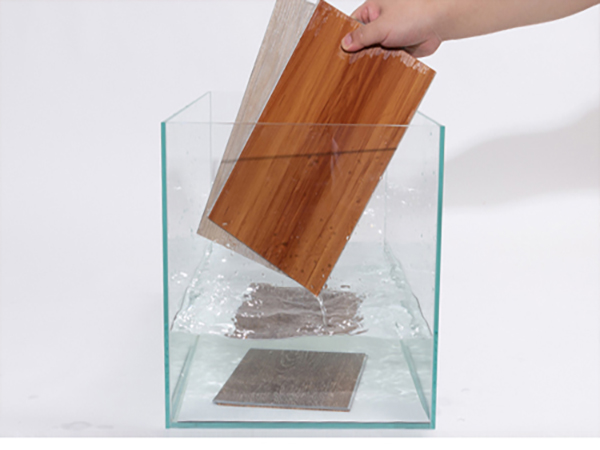
One of the main advantages of SPC flooring is its excellent water resistance. Compared to traditional wood flooring, the hard core material of SPC is lessusceptible to moisture damage and effectively resists liquid splashes, making it particularly suitable for damp environments such as kitchens, bathrooms, and
basements. SPC flooring typically consists of a multi-layered structure: an upper wear layer, followed by a decorative layer, an SPC core layer, and a bottom layer.
Each layer enhances water resistance, ensuring that moisture cannot easily penetrate and maintaining the integrity of the core material.
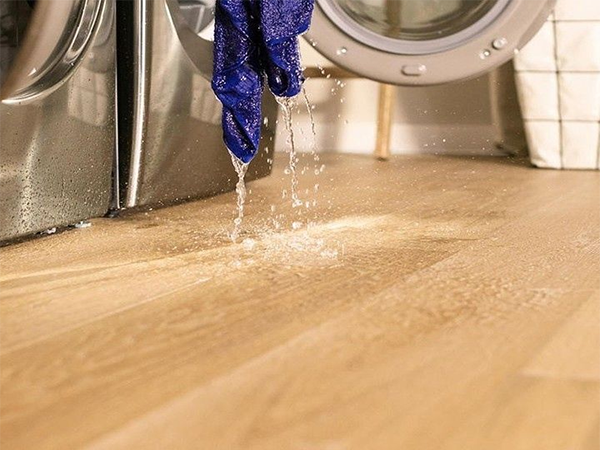
Despite its excellent water resistance, SPC flooring may still face the following moisture-related issues:
Subfloor Dampness:Improper subfloor treatment or a failed moisture barrier can allow moisture to seep in, causing warping or mold growth.
Hydrostatic Pressure:Accumulated moisture can exert pressure on the subfloor, affecting the SPC flooring, especially in poorly drained areas such as basements.
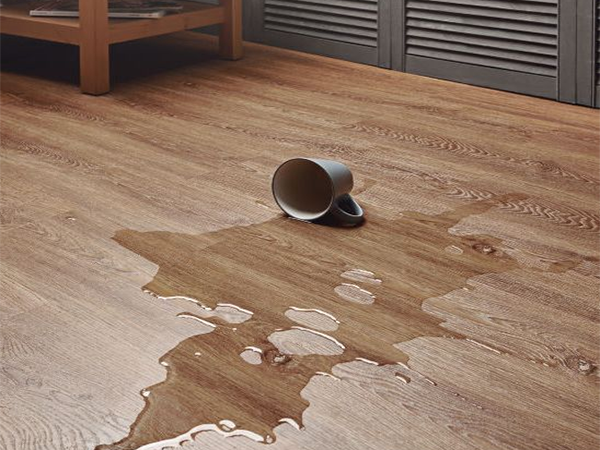
Prolonged Water Contact:While it can withstand brief splashes, prolonged exposure to standing water or high humidity can cause damage.
Expansion and Contraction:Fluctuations in humidity can cause the material to expand or contract slightly, creating gaps or warping.
To extend the lifespan and maintain the performance of SPC flooring, the following moisture-proof measures are recommended:
Subfloor Preparation: Ensure the subfloor is dry, clean, and level. Use a moisture barrier to prevent moisture penetration.
Controlling the Installation Environment: Maintain indoor humidity between 30% and 50%. Avoid installation in areas prone to waterlogging.
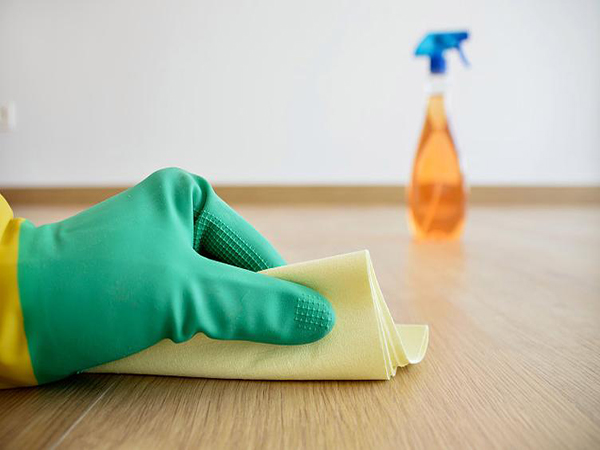
Promptly Clean Up Spills: Prevent prolonged contact of moisture with the flooring and avoid seeping into the seams.
Regular Inspection: Regularly inspect the flooring's condition and promptly identify and repair any moisture damage.
Overall, SPC flooring is suitable for a variety of environments due to its durability and water resistance, but humidity issues still require attention. If users understand the impact of humidity on flooring and take appropriate preventative measures, they can enjoy the advantages of SPC flooring for a long time.
 EN
EN