English
When choosing SPC flooring, while color and pattern are important, durability is key. The true lifespan of flooring depends on the thickness of the wear layer, the stability of the core material, the reliability of the manufacturer, and proper maintenance. Keep these points in mind, and you can choose a durable product for both residential and commercial use.
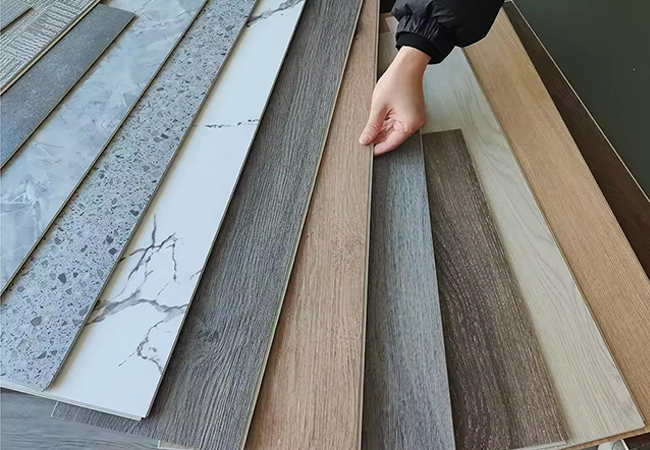
The wear layer of SPC flooring, a crucial protective layer covering the printed layer, directly determines the flooring's scratch resistance, stain resistance, and indentation resistance, and is a core factor affecting its lifespan. When purchasing, pay close attention to these three points:
For durable SPC flooring, a wear layer thickness of 0.3–0.7mm is recommended. The thicker the layer, the stronger its ability to withstand high-traffic, high-wear scenarios (such as home hallways and commercial lobbies), and the longer its lifespan.
A high-quality wear layer has high transparency and a uniform texture, clearly showing the printed pattern underneath. If the wear layer is hazy or cloudy, it likely indicates poor material quality or inadequate coating processing, significantly reducing durability.
Prioritize products with UV protective coatings and enhanced scratch and wear resistance. This type of flooring better resists pet scratches, damage from dragging furniture, and everyday impacts, ensuring greater durability.
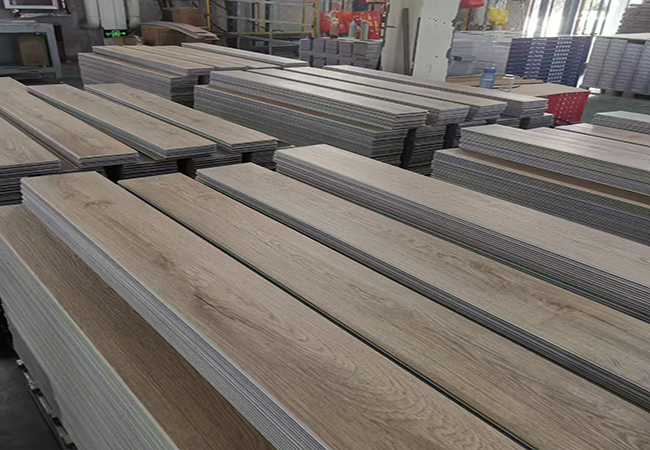
The strength and stability of SPC flooring primarily rely on its stone-plastic composite core material. We can determine the solidity of the core structure and the reliability of the engineering design by examining the flooring cross-section or carefully checking the product parameters. High-quality core materials typically have these three characteristics:
The core material should be dense and well-defined. Avoid products with holes, black spots, or significant density unevenness, as these core materials lack strength and are prone to damage.
A uniform and consistent core material color usually indicates stable raw material quality and strict production process control. Conversely, a less uniform color may indicate raw material adulteration or substandard processing.
High-quality core materials effectively resist the effects of temperature changes, significantly reducing the risk of warping, denting, and expansion/contraction, making them particularly suitable for environments with large temperature differences.
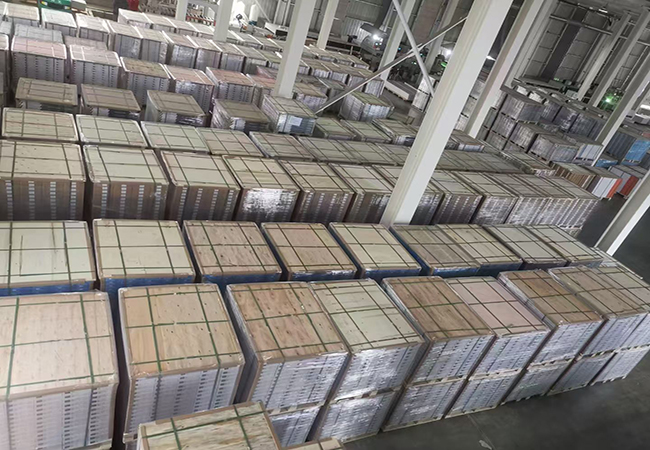
Even if product parameters are perfectly labeled, poor manufacturer consistency can easily lead to various problems during later use. Therefore, when purchasing, prioritize reputable brands or manufacturers with transparent testing processes. To assess reliability, consider these four points:
Prioritize products with ISO quality management system certification, SGS testing reports, FloorScore certification, and other relevant qualifications (pay attention to verifying the product version and production batch corresponding to the certification). This is a basic guarantee of quality.
Reliable manufacturers use stable virgin materials and safe stabilizers, and will not arbitrarily mix in low-quality raw materials or recycled materials. The quality of raw materials directly affects the durability and environmental friendliness of the flooring.
Manufacturers with automated extrusion and precision molding capabilities can ensure the structural stability and batch consistency of each floorboard, avoiding problems such as dimensional deviations and uneven quality.
Request the manufacturer to provide or verify test data for key indicators such as abrasion resistance, impact resistance, formaldehyde emission, and snap-fit strength. Verifiable data ensures a safe purchase.
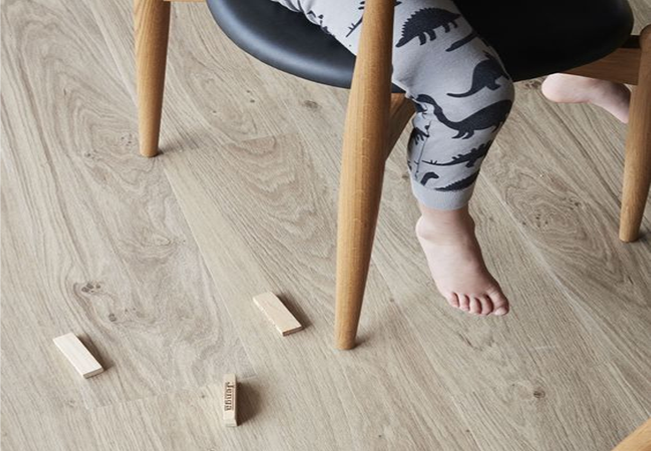
Even the most durable SPC flooring has vulnerable areas prone to wear and tear. Understanding these high-risk areas beforehand helps in choosing the right products and providing targeted protection, extending the floor's lifespan. Common high-wear areas include:
These areas have the highest foot traffic. Grit and dust carried by shoes act as abrasives, accelerating floor wear through prolonged friction.
Frequent water spills, impacts from falling objects, and repeated daily friction cause the floor to wear out faster, requiring higher levels of wear resistance and stain resistance.
The continuous pressure from heavy objects and friction from dragging them will wear down the wear layer on the floor surface first, easily leading to scratches and indentations.
Retail stores, offices, hotels, and other similar settings have high foot traffic and heavy usage loads, placing even stricter demands on the floor's wear resistance and pressure resistance compared to residential settings.
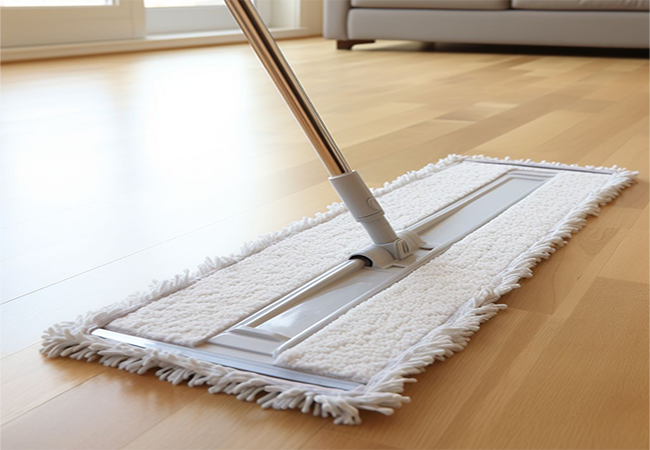
Even the most durable SPC flooring requires proper maintenance. Scientific maintenance can significantly extend its lifespan and reduce scratches, abrasions, and localized aging. Here are five key points:
Sweep or vacuum regularly to prevent sand and dust from accumulating on the surface and acting as abrasives to scratch the floor.
Avoid using strong solvents to clean the floor, as these substances may damage the UV protective coating. It is recommended to choose a neutral pH cleaner specifically designed for PVC/vinyl flooring.
Place felt mats or floor protectors under heavy objects such as sofas, tables, and chairs to prevent scratches when moving furniture.
Although SPC flooring is waterproof, any water accumulation should be wiped dry as soon as possible to prevent water seepage that could affect surrounding structures or cause problems at the floor edges.
Laying protective mats near high-traffic entrances and sinks can effectively block sand and water stains, reducing localized wear and extending the overall lifespan of the floor.
In short, the key to choosing durable SPC flooring lies in selecting the right "visible quality": whether the wear layer is thick and stable enough, whether the core material structure is solid, and whether the manufacturing is reliable and verifiable. Furthermore, it's crucial to perform routine maintenance and protect key areas during use. By following these principles in selection and maintenance, SPC flooring can maintain its stable performance and aesthetic appeal for a longer period in high-traffic and high-wear environments.
 EN
EN